When a single tooth chips, discolors, or sits slightly out of line with the rest of your smile, it can throw off the entire look of your teeth even if everything else is healthy. A veneer for one tooth is one of the most common ways to correct this type of isolated cosmetic concern, restoring balance without altering the surrounding teeth. Dental bonding offers a similar fix but relies on a different material and technique, making it a faster and more conservative option in many cases. Both treatments are designed to blend naturally with your existing smile, yet they differ significantly in terms of material strength, longevity, and the overall process used to achieve the final result.
Deciding between these two treatments really comes down to the extent of the damage, how long you want the repair to last, and how much of your natural tooth structure you are comfortable adjusting. This guide walks through how each treatment works, highlights the differences between them, and explains which situations tend to favor one option over the other. If you are weighing cosmetic dentistry options for a single tooth, our team can walk you through a personalized smile evaluation to help you figure out the right path forward.
What Is a Veneer for One Tooth?
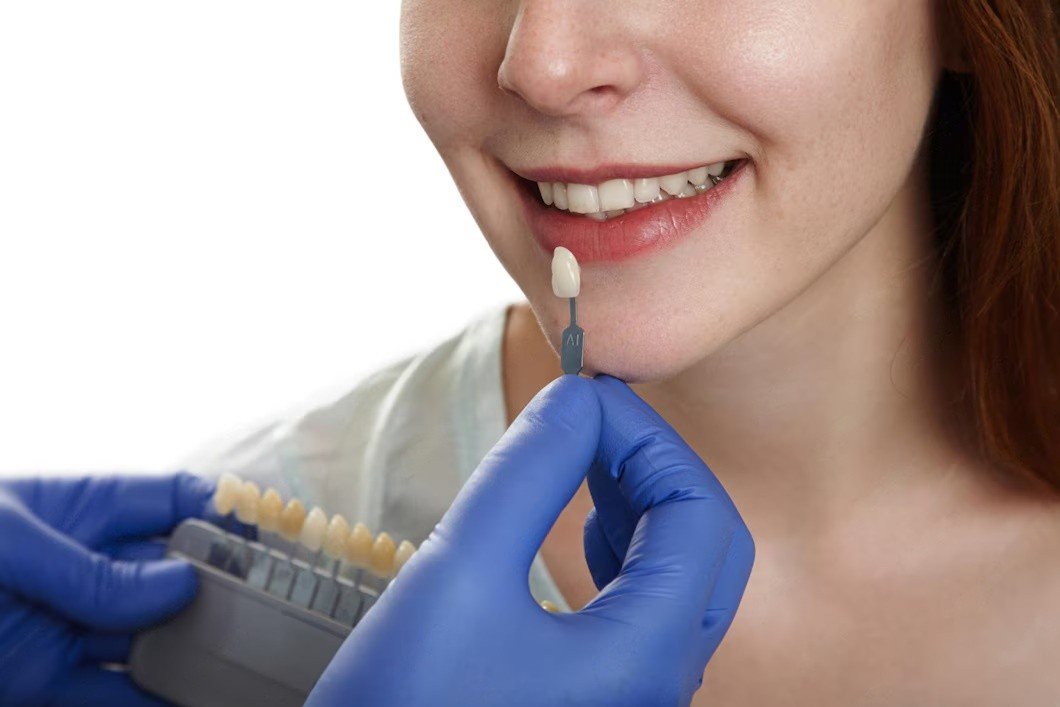
A veneer for one tooth is a thin, custom-made shell that is bonded directly to the front surface of a damaged or discolored tooth. It is typically crafted from durable porcelain material, which is known for mimicking the natural translucency of tooth enamel. Because the veneer is designed specifically for the tooth it covers, a skilled dentist can match its shape, size, and shade so closely to the neighboring teeth that it becomes nearly impossible to spot. This treatment is often chosen when a tooth has a deep chip, a stubborn stain, or a slightly irregular shape that other whitening or minor repair methods cannot correct.
How Porcelain Veneers Are Applied
Getting a single porcelain veneer generally involves more than one dental visit, since the shell has to be custom-fabricated in a lab. Before that happens, a small layer of enamel is usually removed from the front of the tooth to make room for the veneer and ensure it sits flush against the surrounding teeth. Once the fit and color are approved, the veneer is permanently bonded using a strong dental cement.
- A thin layer of enamel is prepared to create space for the shell
- An impression or digital scan is taken to design a custom-fit veneer
- A temporary veneer may be placed while the permanent one is made
- The finished porcelain veneer is bonded and polished for a natural look
What Is Dental Bonding?
Dental bonding treatment uses a tooth-colored composite resin that is applied directly to the tooth and shaped by hand during a single office visit. Unlike a veneer, bonding does not typically require any removal of enamel, which makes it a more conservative and reversible option. The resin is sculpted to fix the chip, gap, or discoloration, then hardened using a special curing light. This method is frequently used for minor to moderate cosmetic issues, and it tends to be a quicker fix when someone wants a same-day improvement to their smile.
The Dental Bonding Process
Because bonding does not involve a lab-made restoration, the entire procedure can usually be completed in one appointment. The dentist selects a resin shade that matches the surrounding teeth, then builds up and shapes the material directly on the tooth.
- The tooth surface is lightly roughened to help the resin adhere
- A bonding agent is applied before the composite resin is added
- The resin is shaped and smoothed to match the tooth’s natural contour
- A curing light hardens the material, and the tooth is polished
Key Differences Between a Veneer for One Tooth and Dental Bonding
While both treatments address similar cosmetic concerns, the materials and long-term performance set them apart in meaningful ways. Porcelain has a denser, more stain-resistant surface than composite resin, which is part of why many patients considering a cosmetic smile makeover lean toward veneers for more visible teeth. Bonding, on the other hand, can be adjusted or repaired more easily since it does not involve a fabricated shell. Understanding these distinctions can help you weigh which factors matter most for your specific situation.
- Material: Veneers use porcelain; bonding uses composite resin
- Tooth preparation: Veneers require minor enamel removal; bonding usually does not
- Stain resistance: Porcelain resists stains better than composite resin over time
- Repairability: Bonding can be touched up chairside; a chipped veneer often needs replacement
- Number of visits: Veneers typically need two visits; bonding is usually one visit
- Reversibility: Bonding is more reversible since enamel is rarely altered
Benefits of Choosing a Veneer for One Tooth
Choosing a single porcelain veneer offers several advantages, particularly for patients who want a long-lasting and highly natural-looking correction. Because porcelain closely mimics the light-reflecting quality of real enamel, a well-placed veneer for one tooth often looks more lifelike than composite resin, especially under different lighting conditions. This option also tends to hold its shade better over the years, which matters for anyone who wants their results to stay consistent alongside teeth that may be professionally whitened later on.
- Highly resistant to staining from coffee, tea, and other common foods
- Mimics the natural translucency and texture of real tooth enamel
- Offers a durable, long-term solution for chips, gaps, or shape irregularities
- Works well as part of a broader smile enhancement plan involving multiple teeth
Benefits of Dental Bonding
Dental bonding shines when someone wants a quick, low-commitment way to correct a small cosmetic flaw. Since it usually requires no enamel removal, bonding preserves more of the natural tooth structure, which appeals to patients who prefer a conservative approach. It is also generally easier to adjust in the future, since the dentist can add or reshape the resin during a follow-up visit rather than replacing an entire restoration. For minor chipped tooth repair or slight color mismatches, bonding is often the simpler route.
- Completed in a single visit with little to no recovery time needed
- Preserves more of the natural tooth since enamel removal is minimal
- Easier and faster to repair or adjust if the resin chips slightly
- A practical option for small, isolated imperfections on one tooth
Which Option Is Right for You?
The right choice between a veneer for one tooth and dental bonding depends on a combination of your goals, the condition of the tooth, and how much long-term maintenance you are comfortable with. A consultation with a dentist for veneers or general cosmetic treatments is the best way to get a personalized recommendation, since every tooth and bite pattern is a little different. In many cases, the dentist will examine the extent of the chip or discoloration, check the surrounding teeth for symmetry, and discuss your expectations for how natural or durable you want the final result to be.
Factors to Consider
- Severity of damage: Larger chips or structural issues often favor veneers
- Desired longevity: Veneers generally last longer than bonded resin
- Enamel preservation: Bonding is better if you want to avoid enamel removal
- Timeline: Bonding fits better if you need a same-day cosmetic fix
- Aesthetic matching: Veneers may blend better with teeth that are already very light or heavily whitened
What to Expect During Your Visit
Knowing what happens during each procedure can make the decision feel less intimidating, especially if this is your first time exploring cosmetic treatment for a single tooth. Both procedures are performed in a comfortable, routine dental setting, though the steps and time commitment differ based on which treatment you choose.
Veneer Placement Appointment
The first visit usually focuses on preparing the tooth and taking impressions or digital scans so the lab can fabricate a precise, custom veneer. A temporary restoration may be placed to protect the tooth while the permanent veneer is created. During the second visit, the dentist checks the fit and shade before permanently bonding the veneer in place and making any final adjustments for comfort and bite alignment.
Bonding Appointment
Bonding is typically finished in one sitting, since there is no lab fabrication step involved. After lightly preparing the tooth surface, the dentist applies and shapes the composite resin freehand, then hardens it with a curing light. The tooth is polished at the end of the appointment so it blends smoothly with the surrounding teeth, and most patients can return to normal activities immediately afterward.
Caring for Your Veneer or Bonded Tooth
Both veneers and bonded teeth can last for many years when they are cared for properly, though their maintenance needs differ slightly. Good oral hygiene habits combined with a few precautions can help either restoration hold up well over time and continue looking natural.
- Brush and floss daily to keep the surrounding gum tissue healthy
- Avoid biting down on very hard foods, ice, or non-food objects
- Wear a nightguard if you tend to grind or clench your teeth
- Schedule regular dental checkups so any wear or damage is caught early
- Limit heavily pigmented foods and drinks, especially with bonded resin
Conclusion
Both a veneer for one tooth and dental bonding offer effective ways to repair a chipped, discolored, or slightly misshapen tooth, but the right choice depends on your priorities around durability, natural appearance, and how much of your original enamel you want to preserve. Porcelain veneers tend to suit patients looking for a long-term, highly stain-resistant solution, while bonding works well for those who want a quicker, more conservative fix with minimal tooth alteration. Weighing these differences alongside your specific dental history is the clearest way to land on the option that will give you the most satisfying results.
If you are still unsure which treatment matches your smile goals, the team at Kingsburg Family Dentistry is ready to help you explore your options in detail. We encourage you to schedule a personalized dental consultation so we can evaluate your tooth in person and recommend the approach that fits your needs best. Reach out to Kingsburg Family Dentistry today and take the next step toward a more confident, balanced smile.
Frequently Asked Questions
1. Is a veneer for one tooth noticeable compared to natural teeth?
When properly matched in shape and shade, a single porcelain veneer typically blends in seamlessly with the surrounding teeth. Dentists take careful measurements and color references to make sure the restoration looks proportionate and natural. Most patients find that others cannot tell which tooth has been treated once the veneer is in place.
2. How long does dental bonding typically last?
Dental bonding can last several years with proper care, though its lifespan depends on habits like grinding, biting hard objects, or consuming heavily pigmented foods and drinks. Because the resin is more porous than porcelain, it may need occasional touch-ups over time. Routine dental visits help monitor its condition and catch any wear early.
3. Does getting a veneer for one tooth hurt?
The process of preparing a tooth for a veneer is generally comfortable, since a local anesthetic is used if any enamel needs to be removed. Most patients report little to no discomfort during or after the procedure. Any mild sensitivity that occurs afterward usually fades within a short period.
4. Can dental bonding fix a chipped tooth completely?
Dental bonding is well suited for minor to moderate chipped tooth repair, restoring both the shape and appearance of the tooth. For more extensive damage, a veneer or another restorative option might provide a stronger, longer-lasting result. A dental evaluation can determine which approach best matches the extent of the chip.
5. Will my veneer or bonded tooth match the color of my other teeth?
Yes, both treatments are designed with shade-matching in mind so the final result blends naturally with the rest of your smile. Porcelain veneers tend to hold their color more consistently over time, while bonded resin may need adjustment if your other teeth are whitened later. Discussing your long-term whitening plans with your dentist beforehand can help avoid mismatched results.
6. How do I know which treatment fits my situation better?
The best way to determine this is through a personal consultation, where the dentist can examine the tooth, assess the surrounding smile, and discuss your goals. Factors like the size of the chip, your desired longevity, and how much enamel you are willing to adjust all play a role. A tailored recommendation ensures you choose the option that gives the most natural and lasting outcome for your specific tooth.
