Missing teeth affect far more than appearance. They change how a person chews, speaks, and even how their jawbone holds its shape over time, which is why so many patients start researching affordable dental implants as a long-term solution. Unlike temporary fixes, implants are designed to function and feel like natural teeth, giving patients a stable foundation that can last for many years with proper care.
The real question most people ask is whether affordable dental implants are actually worth the investment of time and healing compared to other options. In this article, we will walk through how implants work, what the restoration process looks like, and why so many patients find that the long-term benefits of a well-planned implant solution outweigh the initial commitment. Whether you are missing a single tooth or considering a full mouth solution, understanding the process can help you make a confident, informed decision.
Understanding What Affordable Dental Implants Really Offer
At their core, dental implants are small titanium posts that are placed into the jawbone to act as an artificial tooth root. Once healed, this post supports a crown, bridge, or denture, creating a result that looks and functions much like a natural tooth. This is very different from removable options, which sit on top of the gums and can shift or feel less secure over time.
The appeal of affordable dental implants goes beyond just filling a gap in your smile. Because implants fuse directly with the jawbone through a process called osseointegration, they help preserve bone density in a way that bridges and dentures cannot. This matters because bone loss after tooth loss can eventually change the shape of the face and make future dental work more complicated.
Patients considering dental implants often appreciate that the solution is built to be permanent rather than something that needs frequent replacing. While the process does require healing time and planning, the long-term stability is a major reason implants continue to be one of the most trusted tooth replacement options available today.
How Dental Implants Support Long-Term Oral Health
Beyond restoring the appearance of a smile, implants play an important role in protecting the health of surrounding teeth and gum tissue. When a missing tooth is left untreated, neighboring teeth can gradually shift out of position, which may lead to bite problems and uneven wear over time. Implants help prevent this shifting by keeping the space properly filled and supported.
Jawbone health is another major factor. Every time you chew, the pressure placed on your teeth signals your jawbone to stay strong and dense. Without a tooth root in place, that stimulation disappears, and the bone in that area can begin to shrink. Because implants restore that root-like structure, they help maintain healthy bone density for years to come.
Here are some of the long-term oral health benefits patients often experience with implants:
- Reduced risk of shifting or crowding among neighboring teeth.
- Better preservation of jawbone density compared to bridges or dentures.
- Improved chewing function, which supports better nutrition and digestion.
- A more stable, secure feel compared to removable replacement options.
Exploring Your Options: From Single Implants to Full Mouth Solutions
Not every patient needs the same type of implant treatment, which is part of why a personalized consultation matters so much. Some patients only need to replace a single missing tooth, while others are dealing with several missing teeth or significant tooth loss across an entire arch. Understanding the range of options available makes it easier to find the right fit.
For patients missing just one or a few teeth, a single implant with a custom crown is often enough to restore both function and appearance. For those researching affordable full mouth dental implants near me, full arch solutions offer a way to replace an entire row of teeth using a smaller number of strategically placed implants, which can support a full fixed bridge or denture.
Common Implant Solutions Patients Consider
- Single tooth implants for isolated gaps in the smile.
- Multiple implants supporting a fixed bridge for several missing teeth in a row.
- Full arch solutions like full mouth dental implants for patients missing most or all of their teeth.
- Implant-supported dentures for a more secure, stable alternative to traditional removable dentures.
The Implant Restoration Process Explained
Implant restoration is a step-by-step process, and understanding each stage can make the journey feel far less intimidating. It typically begins with a thorough consultation, including imaging to evaluate jawbone density and overall oral health. This planning stage helps the dental team map out exactly where implants should be placed for the best long-term results.
Once a treatment plan is finalized, the implant post itself is surgically placed into the jawbone. Over the following months, the bone gradually fuses to the implant in a healing process that creates a strong, stable foundation. After healing is complete, a custom-made restoration, such as a crown, bridge, or denture, is attached to complete the smile.
Typical Stages of Implant Restoration
- Initial consultation and imaging to assess bone structure and treatment needs.
- Implant placement surgery to position the titanium post in the jawbone.
- A healing period that allows the bone to fuse securely with the implant.
- Placement of the final restoration, such as a crown or bridge, once healing is complete.
Patients are often surprised at how manageable this process feels when it is broken into clear, well-explained steps, especially when the dental team takes time to answer questions along the way.
Implant-Supported Crowns and Bridges: Restoring Function and Confidence
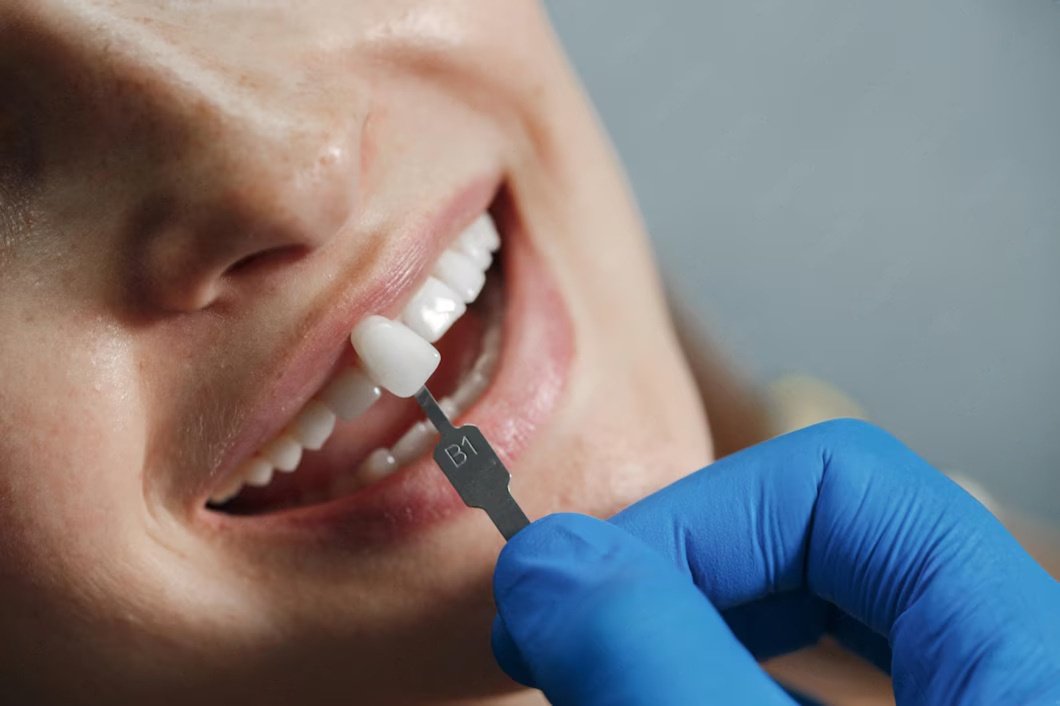
Once an implant has fully healed, the restoration placed on top plays a major role in how natural the final result looks and feels. Implant-supported crowns are custom designed to match the size, shape, and shade of surrounding teeth, so the replacement blends seamlessly into the smile rather than standing out.
For patients missing multiple teeth in a row, implant-supported bridges offer a fixed, non-removable option that avoids the need to alter healthy neighboring teeth, which is sometimes required with traditional bridge designs. This approach preserves more of the patient’s natural tooth structure while still delivering a strong, reliable chewing surface.
Solutions such as zirconia fixed dental bridges are especially popular because zirconia is both durable and closely resembles the natural translucency of tooth enamel. This combination of strength and a lifelike appearance is a major reason implant-supported restorations remain a preferred long-term solution for many patients.
The Role of Bone Grafting in Implant Success
Not every patient has enough natural bone density to support an implant right away, and that is where bone grafting often comes into the conversation. Bone grafting involves adding bone material to areas where the jaw has thinned, creating a stronger, more stable base for future implant placement.
This step is more common than many patients expect, particularly for those who have been missing teeth for an extended period, since bone naturally shrinks over time without the stimulation of a tooth root. Rather than being a setback, bone grafting is simply an additional stage that helps ensure the implant has the strongest possible foundation.
A few reasons bone grafting may be recommended include:
- Long-term tooth loss that has led to noticeable jawbone shrinkage.
- Gum disease that has affected the surrounding bone structure.
- Anatomical factors that naturally result in thinner bone in certain areas.
- A desire to support larger restorations, such as full arch implant solutions.
Caring for Your Implants: Long-Term Maintenance Tips
Implant maintenance is one of the most important factors in determining how long a restoration will last. While implants themselves are not susceptible to decay the way natural teeth are, the surrounding gum tissue still needs consistent care to prevent inflammation or infection around the implant site.
Daily brushing and flossing remain essential, along with routine dental visits so the dental team can monitor the health of the implant and surrounding tissue. Catching small issues early, such as mild gum irritation, can prevent more serious complications from developing down the road.
Simple Habits That Support Long-Term Implant Health
- Brushing twice daily with attention to the gumline around the implant.
- Flossing or using interdental brushes to clean around the restoration.
- Attending regular checkups so the implant site can be professionally evaluated.
- Avoiding habits like teeth grinding without a protective nightguard, when applicable.
Choosing the Right Dental Team for Your Implant Journey
Choosing affordable dental implants involves multiple stages, which means the experience and communication style of your dental team matters just as much as the technology being used. A provider who takes time to explain each step, answer questions honestly, and create a personalized plan can make the entire journey feel far less overwhelming.
It also helps to work with a team that has experience across the full range of implant solutions, from single tooth replacements to complex full arch cases. This broader experience often translates into smoother planning, fewer surprises during treatment, and restorations that are built to last.
Patients who want to see the kind of results a well-planned implant journey can achieve often find it helpful to look at real patient outcomes, which can offer a clearer sense of what the final result may look like before committing to treatment.
Conclusion
Choosing affordable dental implants is ultimately about investing in long-term oral health rather than settling for a short-term fix. From preserving jawbone density to restoring natural chewing function, implants offer a level of stability and confidence that is difficult to match with other tooth replacement options. When the process is explained clearly and handled by an experienced team, most patients find that the benefits extend far beyond appearance alone.
If you are exploring implant options, whether for a single tooth or a full arch, Kingsburg Family Dentistry and Implant Center is ready to walk you through a plan built around your specific needs. Visit our services page to learn more about your options, or reach out to our team to schedule a consultation and take the next step toward a healthier, more confident smile.
Frequently Asked Questions
1. How long does the dental implant process typically take?
The timeline varies depending on healing and whether bone grafting is needed, but the process often spans several months from placement to final restoration. This allows the jawbone enough time to fuse securely with the implant. Your dental team can provide a more specific estimate based on your individual case.
2. Are dental implants a good option for replacing multiple missing teeth?
Yes, implants can support everything from a single crown to a full arch restoration. Multiple missing teeth can often be replaced using a fixed bridge or full mouth solution supported by several implants. This approach tends to feel more stable than traditional removable options.
3. Is bone grafting always necessary before getting an implant?
Not always. Bone grafting is typically recommended when there is not enough natural bone density to support the implant securely. A consultation with imaging helps determine whether grafting is needed for your specific situation.
4. How do I care for dental implants once they are placed?
Implant maintenance involves consistent brushing, flossing around the restoration, and regular dental checkups. While implants cannot develop decay, the surrounding gum tissue still needs attention to stay healthy. Good daily habits go a long way toward long-term success.
5. What makes implant-supported crowns different from traditional crowns?
Implant-supported crowns are anchored to a titanium post in the jawbone rather than a natural tooth. This provides a stable, independent restoration that does not rely on neighboring teeth for support. The result is a durable, natural-looking replacement built for long-term use.
