Families across the valley trust Kingsburg family dental care because it focuses on something simple yet powerful: stopping dental problems before they start. Preventive dentistry is not just a buzzword; it is the foundation of lifelong oral health for children, parents, and grandparents alike. When a household finds a dental home that values prevention over quick fixes, everyone benefits, from fewer cavities to fewer emergency visits.
This approach to care is exactly why so many local families keep coming back year after year. Instead of waiting for a toothache to force a visit, preventive-minded practices help patients catch small issues early, protect enamel, and build habits that last a lifetime. In this article, we will explore what makes preventive dentistry so valuable, how it supports family oral health at every age, and what families can expect when they choose a practice built around long-term wellness rather than reactive treatment.
Understanding Preventive Dentistry and Why It Matters
Preventive dentistry covers all the steps taken to protect teeth and gums before problems develop. This includes routine dental cleanings, checkups, fluoride treatments, sealants, and simple daily habits like brushing and flossing correctly. Rather than reacting to pain or damage, preventive care focuses on maintaining the health that is already there, which tends to be far less stressful and far more affordable over time.
For many households, the appeal of prevention is that it removes guesswork from oral health. Instead of wondering whether a cavity is forming or whether gum disease is quietly progressing, patients get regular, professional evaluations that catch issues in their earliest and most treatable stages. This proactive mindset shapes everything about how a dental team approaches each visit, from the tools they use to the way they educate patients.
A team that specializes in general dentistry can build a full picture of a patient’s oral health over time, comparing each visit to the last and spotting subtle changes early. That continuity is difficult to replicate when families bounce between different providers, which is one more reason consistency matters so much in preventive care and why a dependable Kingsburg family dental provider is such a valuable resource for the whole household.
Family Oral Health Is a Shared Responsibility
Good family oral health rarely happens by accident. It usually comes from a combination of consistent home habits, regular professional visits, and open communication about what each family member needs. A parent’s oral health needs look very different from a toddler’s or a teenager’s, yet all of them benefit from the same underlying principle: catching issues before they become painful or expensive.
Choosing one Kingsburg family dental practice for the whole household also makes scheduling and record-keeping far simpler. Everyone’s history lives in one place, treatment plans can be coordinated, and dentists can spot patterns that run in families, such as a tendency toward cavities or gum sensitivity. A dedicated family dentistry approach allows the whole household to be treated as a unit rather than a series of disconnected appointments.
Here are a few reasons families benefit from choosing one trusted practice for everyone:
- Consistent recordkeeping makes it easier to track changes in oral health over time.
- Appointments can often be scheduled together, saving time for busy parents.
- Dentists get to know each family member personally, which builds comfort and trust.
- Preventive advice can be tailored to the specific risks each age group faces.
Children’s Dental Care: Building Habits That Last a Lifetime
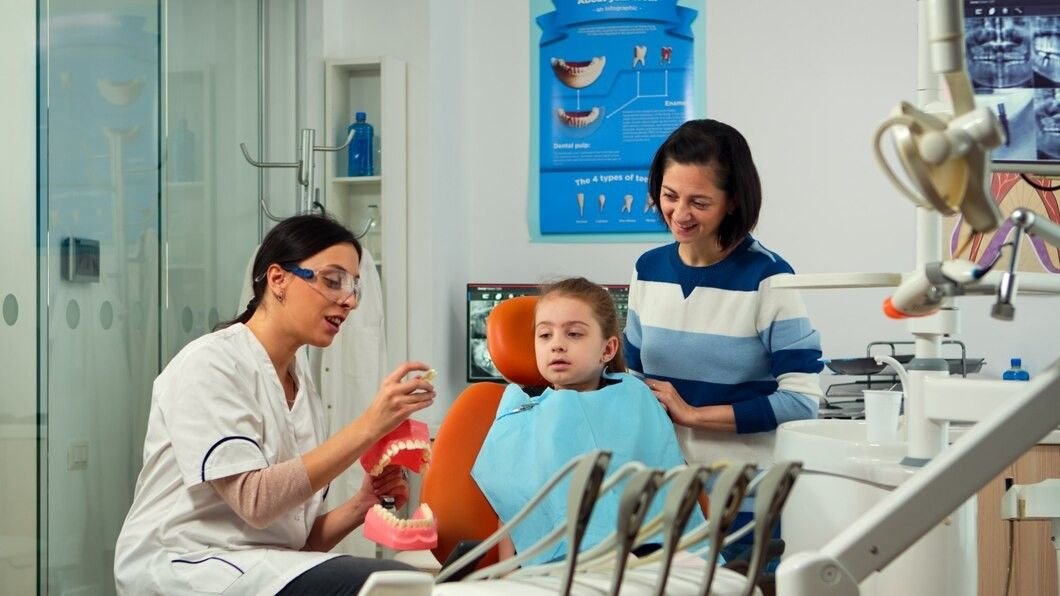
Children’s dental care sets the tone for how a person feels about the dentist for decades to come. Early, positive experiences help kids see dental visits as a normal, even enjoyable, part of life rather than something to fear. This is why gentle communication, patience, and a welcoming office environment matter just as much as clinical skill when treating younger patients.
Preventive strategies for children often look a little different than they do for adults. Baby teeth still need protection because they hold space for adult teeth and support healthy chewing and speech development. Sealants, fluoride treatments, and age-appropriate education about brushing and flossing all play a role in keeping young smiles healthy while habits are still forming.
Common Preventive Steps for Young Patients
- Applying protective sealants to back molars where cavities often start.
- Teaching correct brushing and flossing techniques in a fun, approachable way.
- Monitoring jaw and bite development as permanent teeth begin to emerge.
- Addressing dental anxiety early so future visits feel comfortable rather than stressful.
Parents who want more guidance on easing worry before an appointment may find it helpful to read about reducing child dental anxiety, which offers practical tips for making visits smoother for kids of all ages.
Routine Dental Cleaning and Checkups: The Foundation of Prevention
Routine dental cleaning and checkups form the backbone of any preventive care plan, and they are a core part of what every Kingsburg family dental patient can expect at each visit. During a typical cleaning, a hygienist removes plaque and tartar buildup that brushing alone cannot reach, particularly along the gumline and between teeth. This step alone significantly reduces the risk of cavities and gum disease, especially when done consistently every six months.
Checkups do more than just look for cavities. Dentists use these visits to examine the jaw, soft tissue, and bite alignment, often catching early warning signs of issues that have nothing to do with pain. Many serious dental problems develop silently, without any noticeable symptoms, which is exactly why regular dental checkups matter so much even when a patient feels perfectly fine.
For families juggling busy schedules, it helps to know what a typical preventive visit includes:
- A thorough professional cleaning to remove plaque and tartar.
- Digital X-rays when needed to check for hidden decay or bone changes.
- A visual and physical exam of teeth, gums, and soft tissue.
- Personalized advice on brushing, flossing, and diet based on individual risk factors.
The Role of Advanced Technology in Preventive Dentistry
Modern dental technology has transformed how preventive care is delivered, making diagnoses faster, more accurate, and far more comfortable for patients. Digital imaging, for example, allows dentists to detect decay or bone loss long before it would be visible to the naked eye, which means treatment can start earlier and stay more conservative.
Technology also improves the patient experience itself. Faster imaging means less time in the chair, and clearer diagnostic tools mean fewer guesswork decisions about treatment. When a practice invests in staying current with advanced dental technology, patients benefit from more precise care with less discomfort and fewer surprises down the road.
This combination of accuracy and comfort is especially valuable for nervous patients or young children, since shorter, more efficient appointments tend to feel far less intimidating. It also allows dental teams to explain findings visually, helping patients understand exactly what is happening in their mouths and why a particular preventive step is being recommended.
What to Expect During a Preventive Care Visit
Walking into a Kingsburg family dental office for the first time, or even the tenth time, feels easier when patients know what to expect. A typical preventive visit starts with a friendly check-in, followed by an update on any changes in medical history or concerns since the last appointment. From there, the hygienist and dentist work together to assess oral health and complete any necessary cleaning or imaging.
Communication is a major part of the process. Rather than simply performing a cleaning and sending patients on their way, a preventive-focused team takes time to explain findings, answer questions, and set realistic goals for the months ahead. This is particularly reassuring for new patients who may feel unsure about what a visit involves.
Families who are new to the area or searching for a dental home can learn more about getting started by visiting the page for new patients, which outlines what the first appointment typically looks like and how to prepare.
A Few Tips to Make the Most of Your Visit
- Arrive a little early to complete any paperwork without feeling rushed.
- Bring a list of medications or health changes since your last visit.
- Write down questions in advance so nothing gets forgotten in the moment.
- Be honest about flossing habits so advice can be tailored realistically.
Building Healthy Smiles for the Whole Family
Healthy smiles are not built in a single appointment; they are the result of consistent Kingsburg family dental care over months and years. This is why preventive dentistry works best as an ongoing relationship rather than a one-time fix. Families who commit to regular visits tend to need less invasive treatment overall, since problems are caught and addressed while they are still small and manageable.
Beyond the clinical side, there is real value in feeling comfortable and known at a dental office. When children grow up seeing the same friendly faces, and parents build trust with a team over time, dental visits stop feeling like a chore and start feeling like a normal part of taking care of the household. That comfort translates into better attendance at appointments, which in turn supports better outcomes for everyone.
A well-rounded approach to prevention also means addressing diet, habits, and lifestyle factors that affect oral health, not just what happens in the treatment chair. For example, small changes like reducing sugary snacks or improving flossing consistency can make a noticeable difference between visits, reinforcing the work done during each professional cleaning.
Conclusion
Choosing a dental home built around prevention is one of the most valuable decisions a family can make for long-term health and peace of mind. From gentle children’s dental care to thorough routine cleanings and modern diagnostic technology, every part of the experience is designed to catch small issues early and keep smiles strong for years to come. This consistent, relationship-based approach is a big part of why so many households continue to choose Kingsburg family dental care for themselves and their loved ones.
If your family is ready to prioritize preventive care, Kingsburg Family Dentistry and Implant Center welcomes new and returning patients of all ages. Reach out today through our contact page to schedule a checkup and take the next step toward healthier, more confident smiles for your whole household.
Frequently Asked Questions
1. What is included in a typical preventive dental visit?
A preventive visit usually includes a professional cleaning, a visual exam of teeth and gums, and X-rays when needed. The dentist also reviews any changes in health history and offers personalized advice. This combination helps catch small problems before they turn into bigger, more costly issues.
2. How often should families schedule routine dental cleanings?
Most dentists recommend a checkup and cleaning every six months for both children and adults. Some patients with higher risk factors may need more frequent visits. Sticking to a regular schedule is one of the simplest ways to maintain healthy teeth and gums over time.
3. At what age should children start visiting the dentist?
Children are generally encouraged to have their first dental visit around their first birthday or when their first tooth appears. Early visits help dentists monitor development and get children comfortable with the office environment. This early start often reduces anxiety about future appointments.
4. Why is preventive care important even without visible symptoms?
Many dental problems develop gradually and without pain in their early stages. Preventive visits allow dentists to spot early warning signs, such as small cavities or gum inflammation, before they cause discomfort. Addressing issues early usually means simpler, less invasive treatment.
5. Does modern dental technology make visits more comfortable?
Yes, tools like digital X-rays and advanced imaging make exams faster and more precise. This often means shorter appointment times and more accurate diagnoses. Patients, especially children and those with dental anxiety, tend to find these updated methods much more comfortable.
